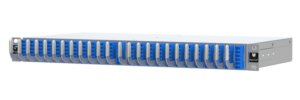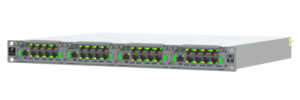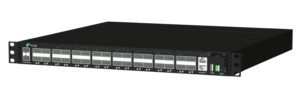
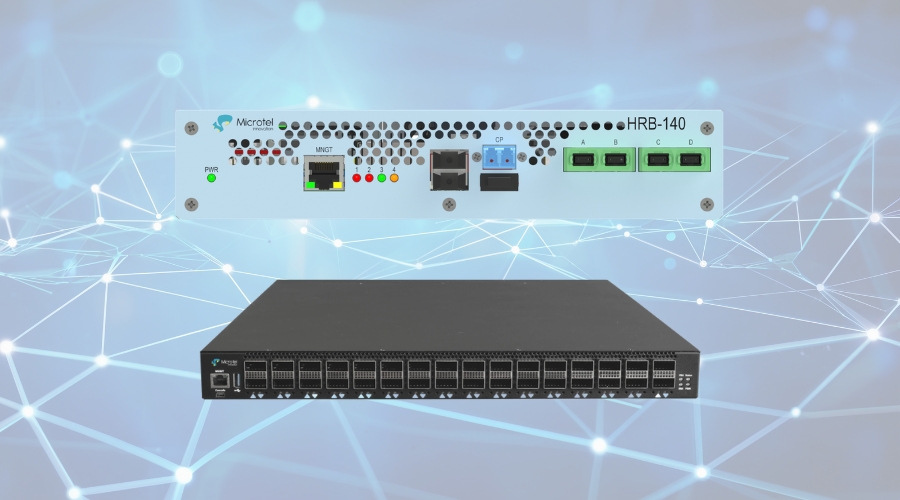
Aster A-7400 & HRB-140: visibility and security for modern network speeds

As enterprise, service provider and data center networks continue their transition toward 400 Gb/s infrastructures, visibility and security architectures must support increasingly demanding traffic volumes. Delivering unfiltered traffic directly to monitoring and analytics platforms can reduce tool efficiency and limit scalability.

At the same time, organizations continue to deploy inline security technologies (as FW, IPS and WAF) to actively inspect, filter, and manage network traffic. In these environments, maintaining service availability during appliance failures or maintenance operations is essential to preserving operational continuity.

Aster A-7400: intelligent traffic optimization for high-speed visibility

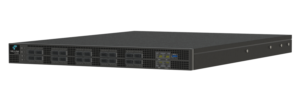
Aster A-7400 is an Advanced Packet Broker designed for modern visibility infrastructures. Positioned between network traffic sources and downstream monitoring or security platforms, it provides a dedicated packet brokering layer that improves the scalability and effectiveness of network observability operations.

Through traffic aggregation, replication, filtering and load balancing, the platform distributes traffic according to the requirements of connected tools. Support for filtering and load balancing based on both outer and inner L2-L4 packet fields enables visibility across encapsulated environments, including L2GRE, L3GRE and VXLAN architectures.

Advanced Packet Manipulation (APM) capabilities such as packet slicing, header stripping, timestamping and tunnel encapsulation/decapsulation further optimize traffic before analysis. These functions reduce unnecessary processing overhead and facilitate integration with virtualized and NFV-based monitoring environments.

With support for up to 32 x 400G interfaces in a single rack unit, the A-7400 enables high-density visibility architectures while maximizing the utilization of connected monitoring and security platforms.

HRB-140: inline resilience without service disruption

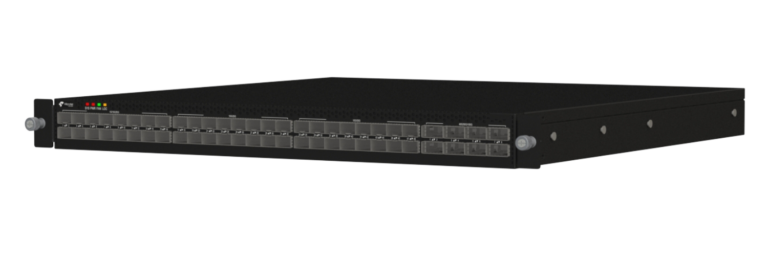
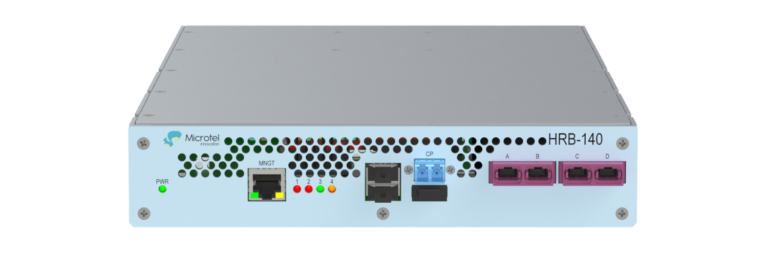
HRB-140 provides a fail-safe connectivity layer for deployments that incorporate inline security appliances. Operating as an inline bypass switch, it continuously monitors appliance availability through bidirectional heartbeat mechanisms without performing traffic inspection itself.

In the event of a fault or power loss, the HRB-140 automatically redirects traffic through the bypass path, preserving link availability and preventing the inline appliance from becoming a single point of failure (SPOF). For planned maintenance activities, the manual bypass function allows connected appliances to be serviced without interrupting production traffic.

Supporting up to two 400/100/40 Gb/s links or eight 25/10 Gb/s links, the HRB-140 enables the deployment of inline security technologies in high-bandwidth environments while maintaining uninterrupted traffic forwarding.
Combined architecture

Aster A-7400 and HRB-140 address different operational requirements and operate on separate layers of the infrastructure.

The A-7400 delivers intelligent traffic distribution for visibility and analytics platforms, while the HRB-140 protects inline inspection deployments against appliance failures and maintenance events.

Together, they separate visibility and security functions from the forwarding path

Architectural benefits

By combining advanced packet brokering with resilient inline bypass capabilities, organizations can build scalable monitoring and security infrastructures capable of supporting modern high-speed networks.

The result is a modular architecture in which visibility and inline inspection functions evolve independently, allowing organizations to accommodate growing traffic volumes while maintaining efficient monitoringinfrastructure resilience and continuous network availability.

Related products:

Microtel Innovation 400 Gb/s portfolio: unified visibility, conditioning and inline resilience

Modern data center and carrier infrastructures are rapidly evolving toward 100–400 Gb/s connectivity, driven by spine-leaf architectures and high-volume east-west traffic patterns. While transport layers scale effectively, visibility and security systems increasingly become performance bottlenecks.

This creates a structural gap between high-speed traffic generation and effective traffic inspection, requiring a dedicated architecture for traffic access, conditioning, and inline resilience.

Architectural limitation

Traditional environments separate traffic access, analysis, and inline security enforcement into independent functions. Switch-based mirroring delivers traffic without control, often exceeding tool processing capacity. Inline security appliances introduce dependency on the forwarding path, increasing exposure to failure conditions. At 400 Gb/s scale, the absence of controlled traffic distribution and fail-safe mechanisms limits both observability and service stability.

Tap T-20 and T-30: deterministic traffic access

The Tap T-20 and Tap T-30 operate as passive network access devices, providing lossless and non-intrusive traffic capture at line rate. They extract traffic directly from the link without affecting production flows, ensuring complete data integrity and consistent visibility input for monitoring and analysis systems.

Aster A-7400: traffic conditioning and distribution

The Aster A-7400 Network Packet Broker operates as an off-path active mediation layer between network sources and toolsets. It performs L2–L5 filtering, aggregation, and load balancing, aligning traffic flows with tool processing capacity. Advanced packet manipulation functions, including slicing, header stripping, timestamping, and tunnel encapsulation or decapsulation, reduce unnecessary traffic volume and support integration with virtualized environments. This defines a traffic conditioning layer that converts raw high-speed traffic into structured and tool-ready data streams.

HRB-140: inline active resilience control

The HRB-140 Optical Bypass Switch operates as an inline active control system, maintaining traffic continuity in the presence of inline security devices. It uses bidirectional heartbeat mechanisms to monitor device health and triggers automatic fail-safe bypass in case of failure or degradation, preserving forwarding across the link. With no added latency during normal operation, it maintains link performance while manual bypass mode allows maintenance without disrupting traffic flow.

Combined architecture

Each Microtel component operates on a distinct layer of the traffic lifecycle, forming a modular visibility and security framework. The Tap T-20 and T-30 provide passive traffic access, the Aster A-7400 performs traffic conditioning and distribution, and the HRB-140 manages inline forwarding continuity. This separation enables independent control of visibility, processing, and forwarding functions, removing dependencies between tool capacity and network availability.

Together, they create a modular framework for scalable high-speed visibility and inline security operations.

Operational impact at 400 Gb/s

The Microtel architecture enables deterministic traffic handling at 400 Gb/s scale, aligning each functional layer with its intended role. Monitoring and security systems receive filtered and distributed traffic streams, while inline forwarding remains resilient to device-level failures. The result is a scalable and predictable architecture for high-speed environments, designed for next-generation visibility and security requirements.

Related products:

Aster A-7400: 400 Gb/s packet broker for scalable network visibility

The expansion of cloud-native environments and distributed architectures is driving sustained growth in east–west traffic across modern digital infrastructures, including large-scale data centers and telco-grade environments. In parallel, the evolution of mobile networks toward 5G — and future 6G architectures — is further increasing traffic density and distribution across core and edge domains. As a result, 400 Gb/s Ethernet is becoming the baseline for backbone and high-capacity network segments.

At these speeds, traditional visibility approaches based on switch mirroring or low-capacity aggregation cannot scale, resulting in packet loss, tool oversubscription, and reduced observability. In parallel, security architectures increasingly combine out-of-band monitoring and inline inspection, requiring consistent traffic access without impacting forwarding paths.

Visibility and control requirements at 400 Gb/s

Modern infrastructures operate across mixed-speed environments, from 10 Gb/s up to 400 Gb/s. Monitoring and security tools cannot ingest raw traffic at these rates without pre-filtering, aggregation, and controlled distribution.

A dedicated packet brokering layer is required to process mirrored (out-of-band) traffic and deliver filtered and load-balanced flows aligned with tool capacity, while remaining independent from production forwarding.

Aster A-7400: 400 Gb/s packet broker from Microtel Innovation

The Aster A-7400 is a Network Packet Broker designed for 10/25/40/100/400 Gb/s multi-rate environments, providing a high-density traffic processing layer for monitoring and security ecosystems.

It is implemented in a 1U chassis with 32 cages, each configurable up to 400 Gb/s, delivering a switching capacity of 12.8 Tbps. The system interfaces network traffic through a single platform and performs aggregation, filtering, and load balancing toward tools operating at different speeds.

Traffic selection is based on inner and outer L2–L5 parameters and UDF filtering, enabling deterministic flow extraction. Selective aggregation (Any-to-Any, Many-to-One, One-to-Many) and IP/L4-based load balancing ensure predictable traffic distribution and prevent tool saturation.

Advanced Packet Manipulation (APM) functions, including packet slicing, header stripping, and timestamping, reduce payload overhead and improve processing efficiency of downstream systems.

The Aster A-7400 also provides an easy-to-use, intuitive web-based graphical interface, along with real-time statistics and SNMP alarms, enabling simplified control of device behavior and input/output traffic.

Aster A-7400 provides high-density 400G packet brokering with granular traffic conditioning.

Scalable visibility for high-speed networks

With multi-rate interface support and fully enabled 32-port architecture, the A-7400 scales from 10 Gb/s to 400 Gb/s within a single platform.

It provides a consistent traffic processing layer that maintains accurate observability and controlled data delivery, ensuring that monitoring and security tools operate efficiently without affecting production traffic.

Related products:

Passive Microtel TAPs enable accurate network monitoring in modern data centers

Modern data centers generate massive volumes of east-west traffic due to virtualization, distributed applications, and AI/ML workloads. In this context, traditional SPAN-based monitoring faces clear limitations: it relies on switch CPU and forwarding behavior, can drop mirrored packets during congestion, may alter packet timing, and provides only a switch-processed copy of traffic rather than a true physical-layer copy. These limitations reduce the accuracy of troubleshooting, forensic analysis, and performance monitoring, ultimately lowering operational confidence.

To achieve accurate, lossless, and timing-preserved traffic visibility, data centers increasingly deploy dedicated passive traffic access instead of relying solely on switch-based replication.

Microtel TAPs enable accurate traffic monitoring

Microtel Innovation TAPs provide fully passive, wire-speed traffic replication by physically copying network signals. Unlike SPAN, TAPs introduce zero latency, preserve original packet timing and order, and operate independently of switch resources.

Installed in major network operators data centers, Microtel TAPs are proven in large-scale, mission-critical environments where accuracy, stability, and continuity are mandatory

Microtel TAPs enable accurate and uninterrupted traffic monitoring without affecting production networks.

Fiber TAPs for high-speed data center fabrics

The T-20 Optical TAP supports passive monitoring up to 400 Gb/s over single-mode and multimode fiber using LC connectors. It replicates all traffic, including malformed frames and link error conditions, while preserving packet timing and order.
Configurable optical split ratios allow deployment without impacting link power budgets, making it ideal for aggregation layers, core links, and mixed-speed environments.

The T-30 Optical TAP supports up to 400 Gb/s optical links using MTP/MPO connectors and supports both single-mode and multimode fibers, making it suitable for dense spine-leaf architectures and high-capacity backbone fabrics. Its compact form factor enables scalable deployment in high-density racks, while fully passive operation ensures zero impact on live traffic.

Because these optical TAPs operate at the physical layer and require no active processing, production traffic continues even during power loss or monitoring tool failure, guaranteeing continuous and reliable access to traffic data.

Copper TAP support for hybrid and management networks

The Microtel T-200C Copper TAP delivers modular, full-duplex visibility for 10/100/1000 Mb/s Ethernet links, ideal for management networks, legacy systems, and auxiliary links. Each TAP module operates independently and integrates a hot-swap backup battery to maintain traffic replication in case of power loss. Both desktop and 1RU rack versions support multiple modules, ensuring flexible deployment, maximum reliability, and uninterrupted monitoring even during maintenance or failures.

Technical outcomes

Deploying Microtel TAPs at strategic data center links enables wire-level packet replication with preserved timing, no dependency on switch configuration, and no TAP-induced packet loss. Network teams obtain a faithful representation of live traffic, supporting precise root-cause analysis, reliable performance characterization and accurate security investigations.

Replacing or complementing SPAN with Microtel TAPs enhances monitoring fidelity, strengthens operational confidence, and keeps production networks fully isolated from monitoring risks.

Related products:

HRB‑140 for resilient network protection

In environments where network availability is mission-critical, inline security appliances like IPS, WAF and NGFW are essential to protect sensitive traffic. Their placement directly in the data path, however, can expose the network to interruptions during faults, maintenance cycles or unexpected power issues.

To address this, Microtel Innovation offers the HRB-140 High Reliability Optical Bypass Switch, a device that keeps network traffic flowing even when inline security devices experience faults that compromise their operation.

Fast Fail-Over

The HRB-140 continuously monitors connected appliances using bidirectional heartbeat packets. If a security appliance stops responding, its automatic fail-safe switching ensures that network links remain active and minimizes downtime even during unexpected appliance faults or power issues.

Bypass solution

The HRB-140 provides a bypass path that automatically maintains link continuity when a security appliance fails.

The internal Bypass Optical Switch implemented with MEMS (Micro-Electro-Mechanical Systems) technology guarantees very low optical insertion loss ensuring high-speed signal integrity and packets zero-latency insertion across all optical supported links.

The modular 1U chassis supports up to 8 links at 10/25 Gb/s or 2 links at 40/100/400 Gb/s, in single-mode or multimode fiber.

HRB-140 helps maintain traffic activity and ensures link continuity while supporting network resilience.

Remote management and path integrity

The HRB-140 provides a WebGUI that allows users to configure link modes, heartbeat settings, and network parameters. Administrators can manage users and roles, update firmware and the GUI, and monitor link status and heartbeat activity. Logs of system events are accessible and downloadable for review, while settings can be configured directly through the interface, enabling secure and controlled management of the device.

A safeguard for simplified network operations

With condition-based automatic operation and intuitive WebGUI control, the HRB-140 enables rapid isolation of malfunctioning security devices while keeping network traffic active, providing a stable and reliable foundation for inline security deployments.

Related products:

HRB-140 and Aster A-640 for reliable network traffic visibility

In a context where data networks must guarantee continuity and security,  enterprises and service providers rely on inline security and monitoring systems to protect and control high-speed traffic. Organizations rely on advanced monitoring capabilities, robust security controls, and effective traffic decryption to ensure visibility, protect sensitive data, and detect potential threats across their networks, making application-monitoring platforms essential components of modern network architectures. However, placing these systems directly in the traffic path can introduce operational risks, such as temporary loss of visibility or even service interruptions.

To address these requirements, Microtel Innovation proposes a coordinated approach that integrates two products: the HRB-140 Optical Bypass Switch and the Aster A-640 Network Packet Broker.

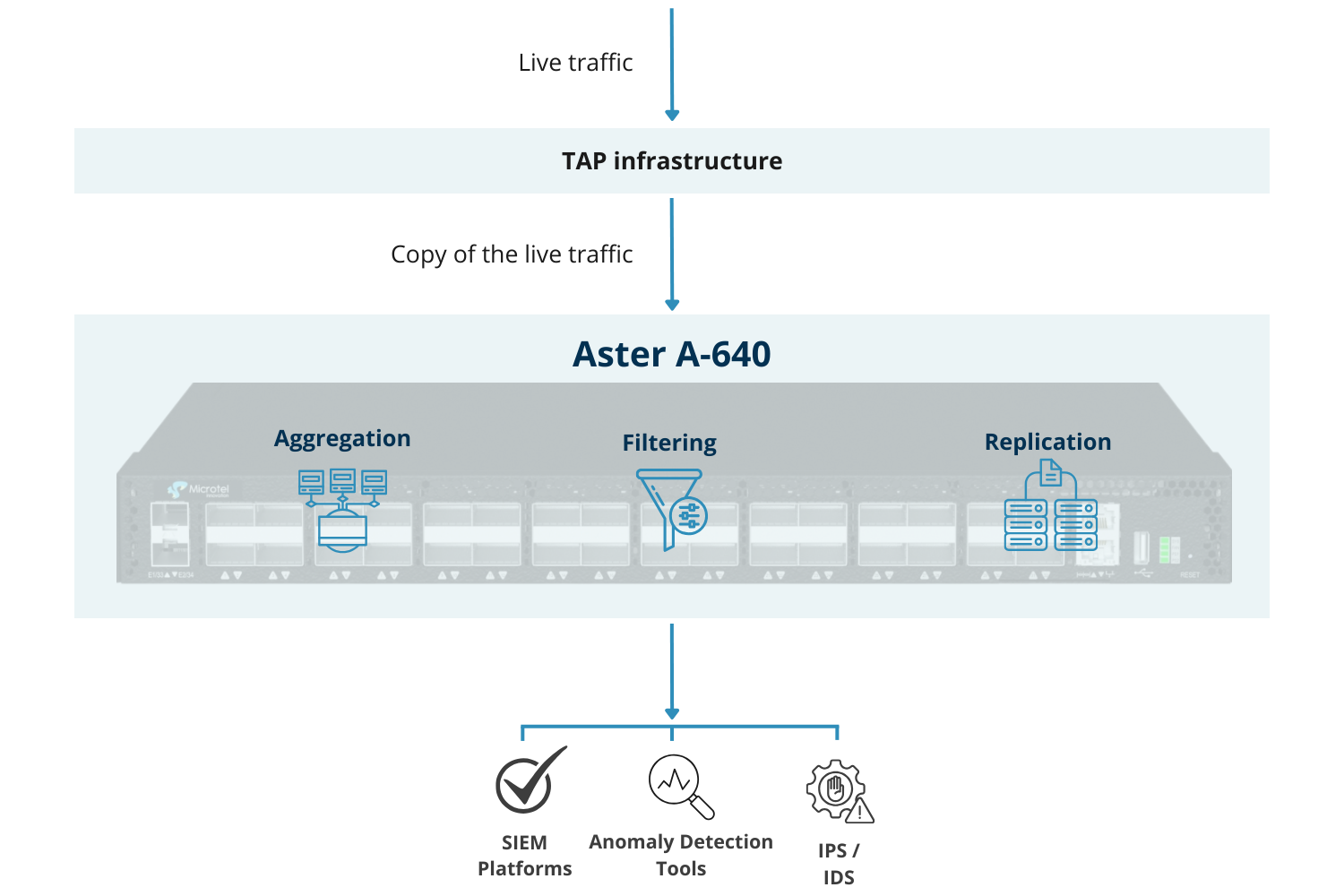
The diagram shows a deployment with HRB-140 and Aster A-640, including IPS and IDS.

Ensuring uptime, scalability and full visibility across modern networks

The joint use of HRB-140 and A-640 ensures that network traffic remains uninterrupted and fully observable. The HRB-140 prevents outages caused by maintenance or device faults, while the A-640 enables intelligent traffic management and optimized use of monitoring resources.

Eliminating single points of failure:
If an inline device is powered down or fails, the HRB-140 automatically enables traffic bypass.

Managing increasing bandwidth:
The Aster A-640 provides high switching capacity, efficiently aggregating and distributing traffic across multiple monitoring or security tools.

Optimising tool efficiency and costs:
The A-640 applies selective packet filtering, slicing, and header stripping, sending only relevant information to analysis tools.

Maintaining security and compliance:
By ensuring uninterrupted traffic and complete visibility, operators can enforce security policies, identify anomalies in real time and maintain compliance with operational standards.

HRB-140 and Aster A-640 improve traffic flow and enhanced visibility for high-speed networks.

HRB-140: continuous uptime for inline deployments

The HRB-140 Optical Bypass Switch guarantees uninterrupted service by removing the risk of inline equipment failure affecting network continuity. It uses bidirectional heartbeat packets to monitor the operational status of connected devices and, in case of fault or power loss, automatically enables traffic bypass.

The HRB-140 supports up to 8 × 10/25 Gb/s or 2 × 40/100 Gb/s links, with redundant AC or DC power modules and an insertion loss below 2 dB. Its compact 1U chassis can host up to two bypass modules, offering a flexible and reliable solution for high-availability infrastructures such as 5G transport networks, data-centre interconnects and industrial control systems.

Aster A-640: advanced traffic management and visibility

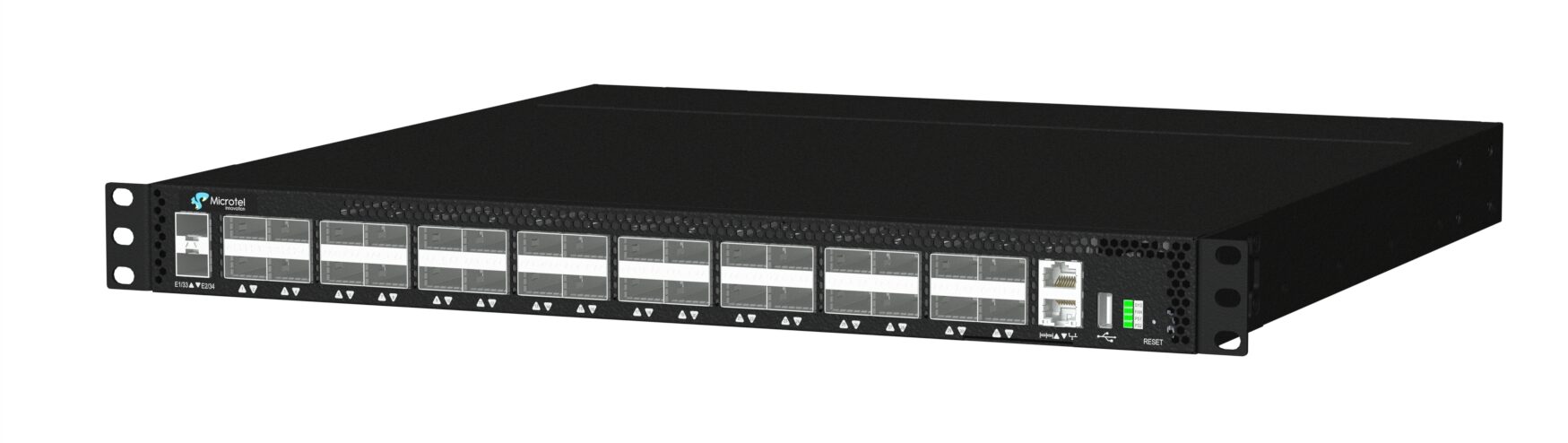
The Aster A-640 Network Packet Broker provides comprehensive management of high-speed traffic within monitoring architectures. With high switching capacity and multiple high-speed interfaces, it aggregates, filters and distributes traffic efficiently toward multiple analysis or security systems.

It supports advanced packet manipulation functions such as packet slicing, header stripping, VLAN and MPLS tag management, and tunnel encapsulation or decapsulation (VXLAN, GRE, NVGRE). These functions enable targeted data delivery to each monitoring tool, improving performance and reducing unnecessary data processing.

Advanced traffic management for complex networks

The synergy between the HRB-140 Optical Bypass Switch and the Aster A-640 Network Packet Broker allows operators to maintain high service availability and detailed traffic visibility, even in complex, high-capacity networks.

By combining automatic fail-safe switching with advanced traffic orchestration, Microtel Innovation offers a practical and adaptable solution that supports continuous operation, efficient monitoring and secure data management in the most demanding network environments.

Related products:

Microtel Innovation’s solutions for efficient GTP offloading

Preview Image

Mobile data traffic continues to grow exponentially, primarily driven by mobile video and over-the-top (OTT) services. While 5G has been widely introduced, its global deployment continues to expand, with existing LTE networks still handling a substantial portion of this traffic, and this demand is only increasing.

For operators, monitoring such high-volumes of traffic is critical for troubleshooting and ensuring optimal user experience. However, traditional solutions, such as adding probes or increasing their capacity, are costly and often impractical.

An alternative approach is to optimize the amount of User Plane traffic sent to monitoring tools. By reducing unnecessary traffic, operators can prevent infrastructure overload and ensure efficient resource utilization.

The Role of GTP in LTE Networks

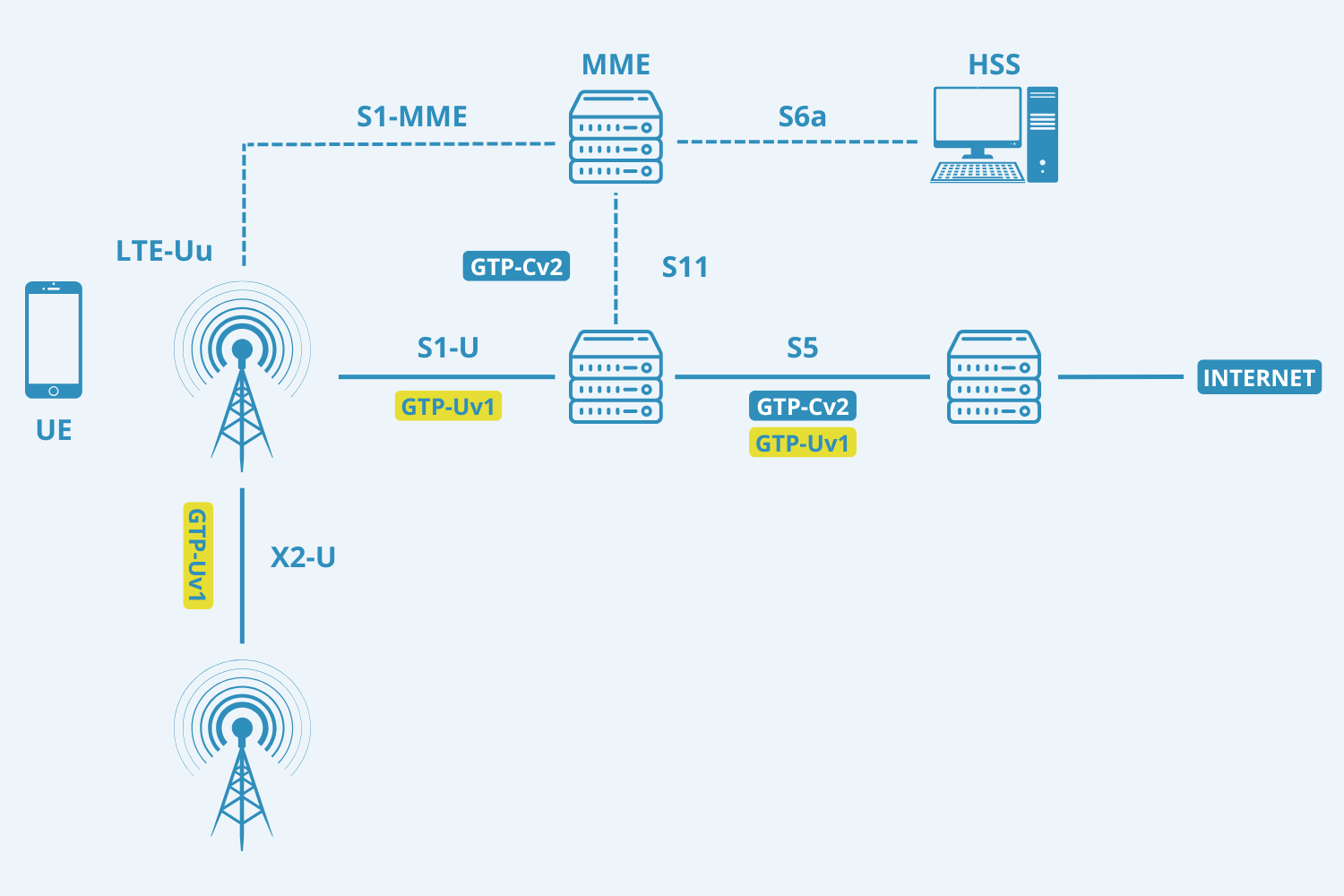
The GTP (GPRS Tunneling Protocol) is a key technology in 2G, 3G, and 4G/LTE networks. It carries both control-plane (GTP-C) and user-plane (GTP-U) data, enabling mobile data transfer across networks.

Addressing traffic challenges requires innovative solutions that filter and manage GTP-U traffic effectively without impacting performance.

Fig. 1 GTP protocol in 4G networks

The Solution

Microtel Innovation provides advanced Network Packet Brokers (NPBs) designed to reduce GTP User Plane traffic while maintaining optimal monitoring. Unlike traditional NPBs, which often lack sufficient computational power, Microtel’s solutions are built for high-performance demands.

The main techniques to reduce GTP User traffic are Inner IP filtering and filtering data based on different GTP-C parameters, both of which are described in detail in the following sections.

#1 | Inner IP Filtering for GTP-U Traffic Reduction

Inner IP filtering helps operators reduce traffic by targeting specific IPs within GTP tunnels. This technique requires hardware-based support to meet performance demands efficiently.

Fig. 2 Inner IP in GTP frame (User IP=IP packet sent by the phone)

This technique can be effectively used in various use cases, represented in the table below.

USE CASE How Notes
GTP User Plane traffic statistical sampling Traffic is coherently reduced using inner IP filtering In this case all traffic related to a specific inner IP is sent to the tools, but the number of inner IPs is sampled in order to reduce the traffic. Several reduction percentage may be configured, based on Operator specific needs
GTP User Plane traffic reduction by sending to the tools only the subscribers belonging to a specific list (IMSI - Inner IP dynamic correlation) Use NPB Rest API to real time configure NPB Inner IP White List Inner IP address is dynamic, can change in each PDP context message and is typically managed by the network itself. Operators which are able to real time trace the correlation between IMSI (unique identifier of the subscriber) and inner IP may real time configure NPB Inner IP White List using NPB REST API.
GTP User Plane traffic reduction by sending to the tools only the subscribers belonging to a specific list (IMSI - Inner IP static correlation) Configure NPB Inner IP White List directly on the NPB In some specific cases Inner IP and IMSI correlation does not change over the time. This is the case for example of mobile Set Top Box: they take advantage from the high bandwidth provided by LTE, maybe in an area where it is not easy to provide fibre connection to the home, but they are not moving. Connection is always on and IP address in this case usually does not change, depending on Operator policies. Operator usually have the list of Set Top Box inner IPs in their Data Base, so they can easily configure NPB to filter them. Also in this case REST API may be an interesting tool for the NPB to integrate with the Operator Data Base.

Microtel Innovation’s Aster A-640 and Aster A-648e appliances are specifically designed for these scenarios, offering hardware-based inner IP filtering and REST API support for integration with operator systems. This approach is also effective in architectures like CUPS and 5G, where GTP-C and GTP-U functionalities are geographically separated.

GTP User Plane Image
Fig. 3 Using Inner IP to filter S1-U (GTP User Plane)​

Optimize mobile traffic with innovative solutions for smarter, high-performance monitoring

#2 | Filtering Based on GTP-C Parameters

Another effective strategy for reducing GTP User Plane traffic is filtering based on control-plane parameters, such as IMSI, IMEI, APN and geolocation data. These parameters are available in GTP-C packets, requiring correlation between GTP-C and GTP-U trafficMicrotel Innovation’s Aster A-XFE DEDUP appliances support this correlation at speeds from 1G to 100G, ensuring precise traffic management and subscriber-level granularity.

Filter: mobile phone's IDS How it works
IMSI (International Mobile Subscriber Identity) User and/or Control plane traffic generated by IMSIs which are listed in the White/Black Lists is forwarded to the tools or blocked
MSISDN (Mobile Station International Subscriber Directory Number) User and/or Control plane traffic generated by MSISDNs which are listed in the White/Black Lists is forwarded to the tools or blocked
IMEI (International Mobile Equipment Identity) User and/or Control plane traffic generated by IMEIs which are listed in the White/Black Lists is forwarded to the tools or blocked
FIlter: Geographical location HOW IT WORKS
User Location Information: ULI-CGI, ULI-SAI, ULI-RAI, ULI-TAI, ULI-LAI, ULI-ECG User and/or Control plane traffic coming from geographical areas identified by the ULI-CGI, ULI-SAI, ULI-RAI, ULI-TAI, ULI-LAI, ULI-ECG which are listed in the White/Black Lists is forwarded to the tools or blocked
Filter: Network type HOW IT WORKS
APN (Access Point Name) User and/or Control plane traffic belonging to APNs which are listed in the White/Black Lists is forwarded to the tools or blocked
VoLTE (Voice over LTE) User and/or Control plane traffic belonging to subscribers using VoLTE service is forwarded to the tools or blocked
RAT (Radio Access Technology) User and/or Control plane traffic belonging to RATs which are listed in the White/Black Lists is forwarded to the tools or blocked
SER-NET (Serving Network) User and/or Control plane traffic belonging to SER-NETs which are listed in the White/Black Lists is forwarded to the tools or blocked
QCI (QoS Class Identifier) User and/or Control plane traffic which QCI is set with the values listed in the White/Black Lists is forwarded to the tools or blocked

By correlating GTP-C and GTP-U traffic, these filters can dynamically ensure that only relevant traffic is sent to monitoring tools.

Using GTP-C parameters Image
Fig.4 Using GTP-C parameters to filter GTP User Plane​

Conclusion

Efficiently managing GTP User Plane traffic is essential for operators facing increasing data demands. Microtel Innovation’s Aster Network Packet Brokers provide tailored, high-performance solutions to optimize monitoring and infrastructure usage. These advanced appliances address the evolving challenges of modern networks, ensuring cost-effective and scalable traffic management.

Related products:

Enhancing cyber-threat defense: the role of Aster A-640 in critical infrastructures

Preview

As cyber threats increasingly jeopardize national security, government agencies tasked with overseeing critical infrastructure require cutting-edge solutions to ensure both robust defense and operational efficiency.

These agencies must not only detect and mitigate threats but also ensure the protection of sensitive data. The Aster A-640 from Microtel Innovation provides a sophisticated, high-performance network visibility appliance capable of delivering precise traffic filtering and optimal resource utilization.

The Role of Aster A-640 in Network Monitoring

The Aster A-640 is engineered to manage high-throughput networks, enabling the secure and efficient processing of large data volumes; at its core, the device focuses on filtering network traffic based on predefined criteria.  

A standout feature of the A-640 is its on-the-fly adjustment capability, which allows instantaneous reconfiguration of packet distribution with no downtime. This functionality is essential for dynamic network environments where agility and uptime are essential. The A-640 excels in providing deep traffic analysis through user plane-level processing, enabling the evaluation of encapsulated packets.

These capabilities, combined with robust load balancing, optimize the utilization of SOC resources by ensuring that only the most relevant data is examined. This approach improves operational efficiency and enhances the accuracy of threat detection systems.

Aster A-640 enhances network security through high-throughput monitoring, dynamic traffic filtering, and seamless integration with advanced cybersecurity tools.

Integration and Cybersecurity Applications

Designed to integrate seamlessly into existing infrastructures, the A-640 serves as a critical component in government and enterprise cybersecurity frameworks. It supports multi-rate configurations (10/25/40/100 Gb/s), is compatible with a wide range of optical transceivers and offers 32×100 Gb/s interfaces, making it ideal for dense, high-performance networks.


When deployed inline at network gateways, the A-640 intercepts and processes traffic at scale. In combination with systems such as SIEM (Security Information and Event Management) platforms, IPS (Intrusion Prevention Systems), and anomaly detection tools leveraging AI/ML routines, it forms a robust first line of defense against sophisticated cyber threats. The A-640 amplifies the effectiveness of these systems, enhancing threat detection capabilities and enabling faster, more accurate responses to potential security incidents, strengthening the overall cybersecurity posture.

Scalable and Future-Ready

The Aster A-640 is designed for scalability, making it ideal for evolving network infrastructures. Its architecture supports seamless adaptation to increasing traffic volumes and expanded deployments, ensuring consistent performance. The on-the-fly adjustment capability enables real-time optimization to meet changing requirements.

In modern and future networks, the A-640 enhances the effectiveness of cybersecurity systems like SIEM, IPS and anomaly detection tools. By efficiently processing and filtering traffic, it amplifies the performance of these systems, enabling faster, more accurate threat detection and response.

As network demands grow and cyber threats evolve, the A-640 provides a future-ready solution that strengthens overall network security.

Related products:

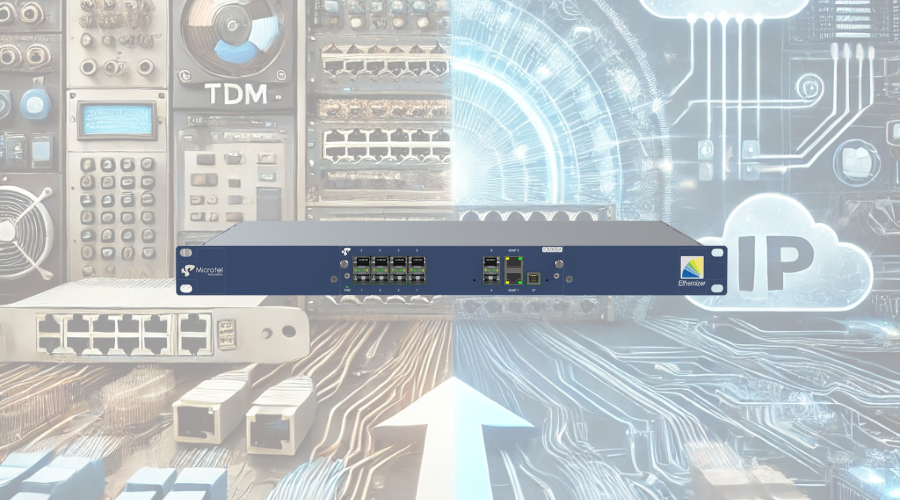
Migration from Legacy TDM to Modern IP Networks

Preview Migration from Legacy TDM to Modern IP Networks

Migrating from legacy TDM (Time-Division Multiplexing) systems to modern IP-based networks has become a critical step for telecom operators. This shift is driven by the need for more flexible, high-performance communication services, along with the cost savings that come from upgrading outdated infrastructure. While the transition to IP offers many advantages, it also presents technical challenges, especially when trying to integrate older systems with new IP networks.

Why Transitioning to IP Networks is Critical

Switching to IP-based networks is essential for telecom operators looking to stay competitive in an increasingly digital world. As manufacturers phase out support for old TDM equipment, operators face rising costs and the risk of system failures if they don’t upgrade. The transition is especially important for industries like public safety, healthcare, and transportation, where reliable communication is vital. These issues arise in several key areas:

 End-of-life of TDM systems: many telecom operators are at a point where relying on legacy TDM infrastructure is no longer sustainable. As manufacturers discontinue support, the pressure to upgrade increases. This is particularly crucial for sectors that require uninterrupted service

 Improved efficiency and reduced costs: moving to IP networks allows operators to run their networks more efficiently, saving on maintenance costs. IP networks offer better network management tools, making it easier to handle increasing data traffic and demands

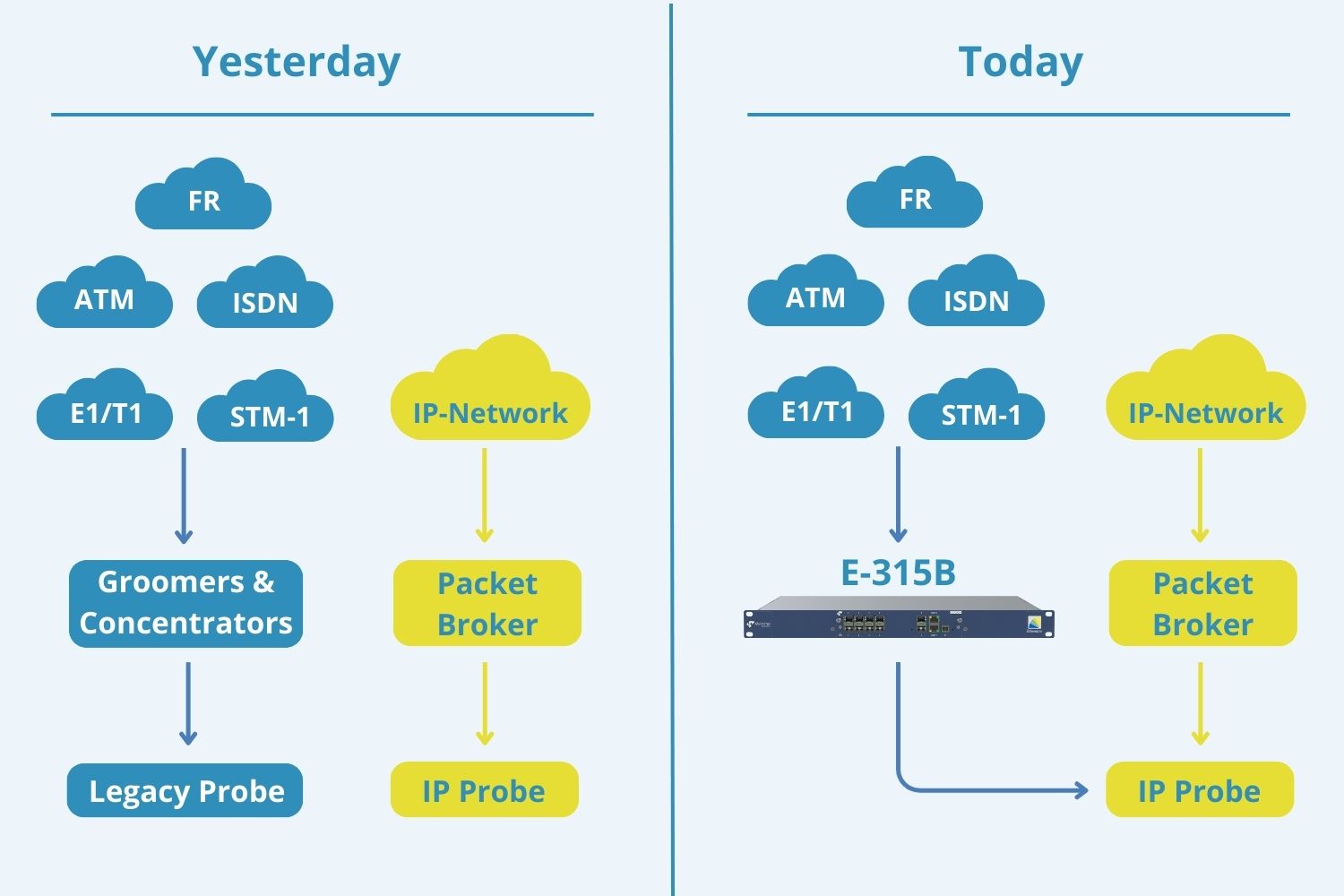
 Seamless coexistence of TDM and IP: solutions like the E-315B Ethernizer allow operators to manage both TDM and IP systems at the same time, ensuring that no service interruptions occur during the transition

 Enhanced security and resilience: modern IP networks offer better security features than older TDM systems. By migrating, operators can protect their networks from cyber threats and improve their ability to respond to disruptions

Challenges of Legacy TDM Systems in an IP World

One of the biggest challenges in moving from TDM to IP networks is that legacy TDM systems often don’t work well with modern IP architectures. Traditional TDM networks, which carry both SS7 signaling and voice traffic, struggle to keep up with real-time performance monitoring. Conventional IP probes can’t always interpret TDM traffic, creating blind spots that make it harder to ensure high quality service for critical voice applications.

Using IP probes for monitoring instead of relying on TDM probes is a solution to this issue. IP probes allow operators to monitor traffic more effectively and improve network visibility.
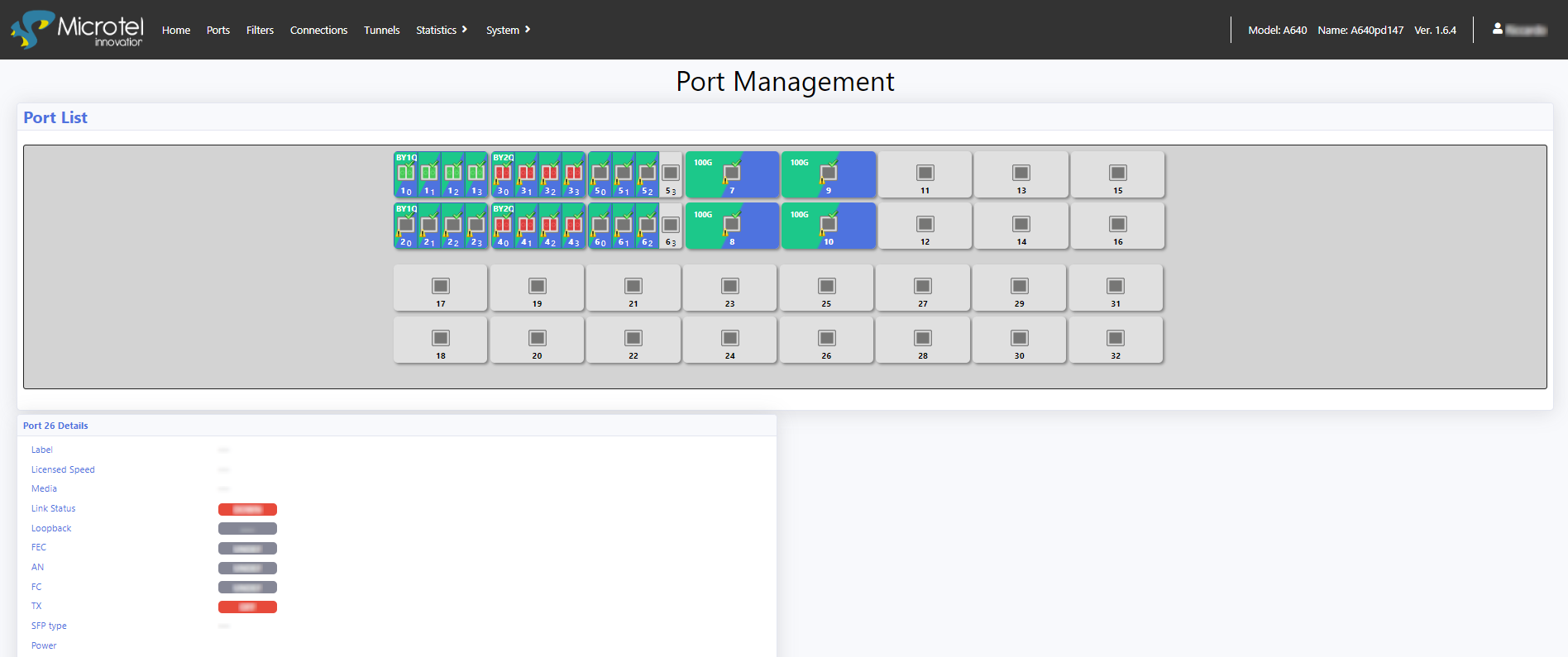
E-315B: A Seamless Solution for TDM to IP Conversion

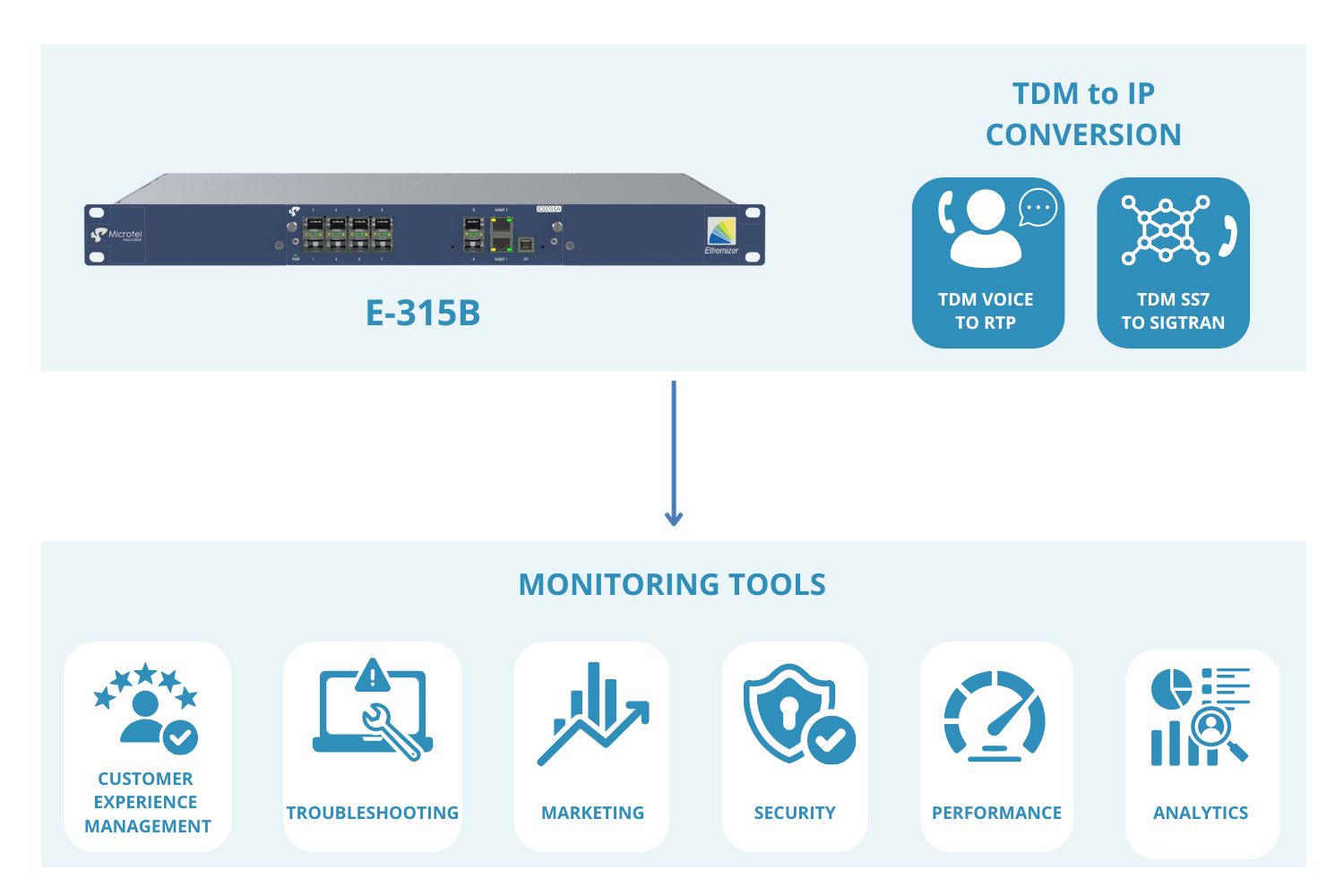
The E-315B Ethernizer is a powerful solution that solves these challenges. It provides a smooth conversion from TDM to IP, without disrupting services. The device converts SS7 signaling from MTP-2 to SIGTRAN (M2UA) and encapsulates TDM voice data into RTP (Real-Time Transport Protocol) while supporting STM-1 interfaces. This enables telecom operators to keep their important SS7 signaling in place while benefiting from the flexibility of IP networks.

By facilitating this conversion with minimal service interruptions, the E-315B allows TDM and IP systems to work together during the transition, avoiding expensive infrastructure overhauls. 

The E-315B ensures seamless TDM-to-IP conversion for IP Probe to monitor voice quality

Key Benefits of E-315B for Telecom Operators

The E-315B provides several key benefits to telecom operators:

1. Enhanced network visibility: The device enables real-time monitoring of both signaling and voice traffic, giving operators full control over their networks and helping them manage traffic efficiently

2. Cost efficiency: Operators can upgrade to modern IP infrastructure without replacing all of their legacy systems, saving on capital expenses

3. Scalability: As traffic demands grow, the E-315B can handle more IP traffic without sacrificing performance

4. Advanced tunneling technologies: The device supports L2GRE and NVGRE tunneling, which helps operators route IP traffic from different TDM links to centralized monitoring systems, improving operational efficiency

E-315B as a Key Enabler of Telecom Modernization

The E-315B Ethernizer is a key tool for telecom operators looking to modernize their networks while maintaining the essential functionalities of legacy systems. Its ability to convert TDM to IP in real-time, while minimizing service disruptions, makes it an ideal solution for network transitions.

With its scalability, reliability, and smooth integration of legacy systems into modern networks, the E-315B offers a cost-effective and future-proof solution to the challenges of migrating from TDM to IP. As IP networks become more common, the E-315B helps operators maintain control, deliver uninterrupted services, and prepare their infrastructure for future demands.

Related products:

Improving Network Visibility Performance with Aster A-640

Communication service providers and data centers are increasingly challenged in managing high-speed networks due to the rapid growth of data volumes, complex traffic patterns, and the rise of encapsulated data streams. These factors result in limited network visibility, inefficient traffic management, overloaded monitoring tools, and security risks. Traditional network monitoring solutions often fall short, particularly in inspecting encapsulated traffic, leaving potential security vulnerabilities unaddressed.

Solution with Aster A-640

The Aster A-640 by Microtel Innovation is a high-performance tool designed for network visibility and optimization in complex, high-speed environments. With 32×100 Gb/s interfaces, configurable as 100 Gb/s, 40 Gb/s, 25 Gb/s, or 10 Gb/s, the A-640 offers unparalleled flexibility to meet diverse network traffic requirements. Its advanced capabilities allow for precise traffic filtering and load balancing based on both inner and outer parameters, including IP addresses, ports, and VLAN tags. This ensures that only relevant traffic reaches monitoring and security tools, reducing system overload and improving operational efficiency.

Supporting L2GRE, L3GRE, VXLAN and GTP encapsulation-decapsulation, the A-640 uncovers hidden traffic within tunnels, which is crucial for securing virtualized and cloud environments. Additional features, such as header stripping, slicing, and VLAN tagging, optimize data processing, reducing unnecessary data loads and enhancing the performance of security tools.

Case Study: Transforming Network Visibility for a Leading Telco operator

A leading telecommunications operator faced significant challenges managing its high-speed 100 Gb/s network links. A surge in encapsulated traffic, particularly within GTP tunnels, combined with increasingly complex traffic patterns, resulted in frequent security blind spots and overwhelmed monitoring tools. Traditional monitoring solutions struggled to handle hidden data streams within encapsulated traffic, increasing the risk of security breaches.

To address these issues, the telecom operator deployed the Aster A-640 across its network infrastructure. With its versatile 32×100 Gb/s interfaces, the device was configured to meet specific traffic requirements, efficiently managing the high-speed links. The A-640’s traffic filtering features streamlined data flows, directing only relevant traffic to monitoring and security tools, thereby reducing operational strain.

The A-640’s decapsulation capabilities enabled the operator to inspect encapsulated traffic, such as VXLAN, revealing previously hidden data streams. This enhanced the operator’s threat detection and network visibility. Moreover, the A-640’s traffic aggregation and replication functionalities allowed the operator to distribute traffic across multiple monitoring tools, preventing system overload.
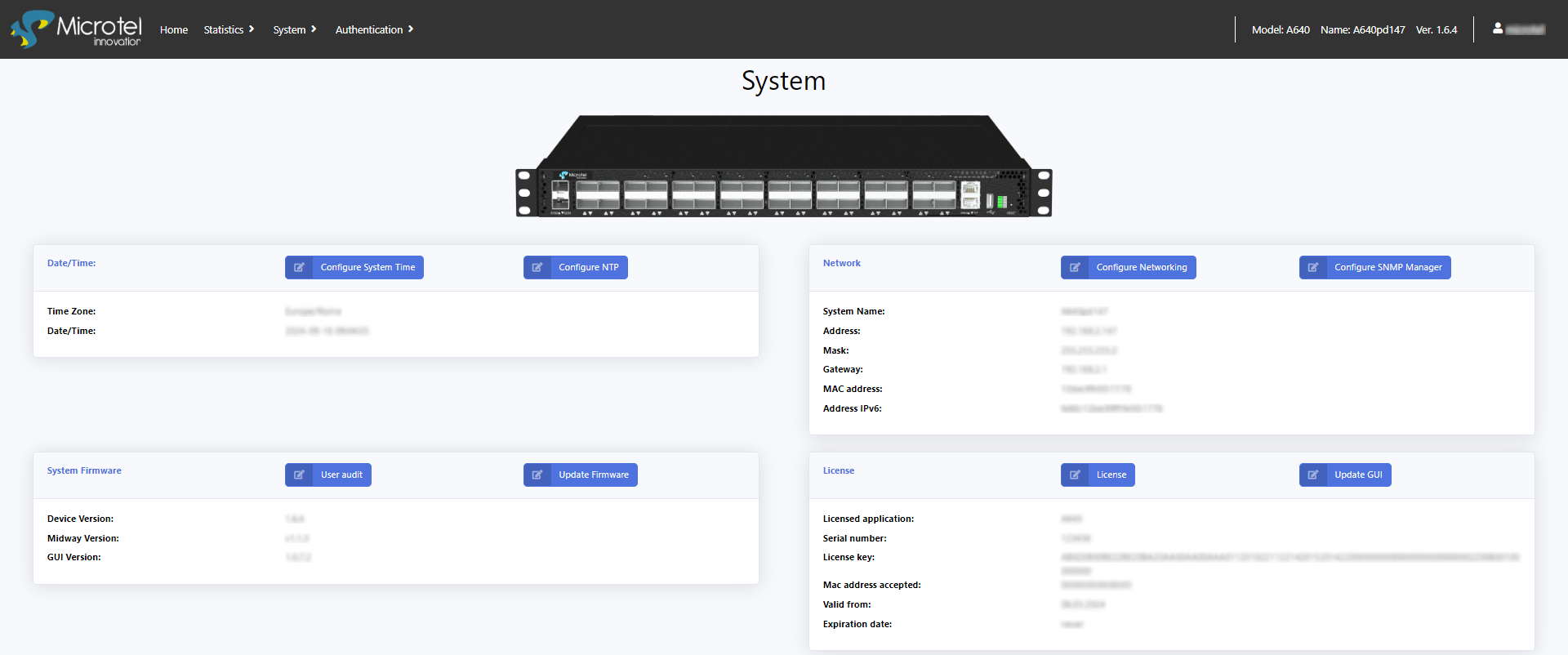
A-640 delivers visibility and security for high-speed networks, optimizing traffic management and uncovering hidden threats

User-Friendly GUI Enhances Network Operations

A key aspect of the solution’s success was the user-friendly GUI developed by Microtel Innovation’s R&D team. This intuitive interface facilitated easier management of traffic configurations, monitoring, and decapsulation processes, enabling the operator’s network engineers to quickly adapt to changing traffic patterns. This streamlined workflow significantly improved operational efficiency and reduced the time needed to manage network changes.

Results and impact

Deploying the Aster A-640 led to several critical improvements for the telco operator:

Enhanced Network Visibility: By exposing previously hidden traffic within GTP and other tunnels, the A-640 provided a more comprehensive view of the network.
○ Optimized Traffic Management: Intelligent traffic filtering and load balancing ensured that only relevant data reached monitoring and security tools, reducing operational strain.
Strengthened Security Posture: The ability to inspect encapsulated traffic improved threat detection capabilities, mitigating security risks.
Operational Efficiency: Traffic aggregation and replication enabled centralized monitoring, optimizing the use of existing monitoring tools and reducing overall costs.

Conclusion

The Aster A-640 is a solution for enterprises and data centers facing the complexities of high-speed network environments. Its advanced capabilities in visibility, traffic management, and security offer a holistic approach to optimizing performance, securing data flows, and maximizing the effectiveness of existing monitoring tools. By deploying the A-640, organizations can significantly enhance their network management strategies, reduce security risks, and achieve a more efficient and secure network environment.

Related products: